ISCC CORSIA
The internationally recognized ISCC CORSIA certification allows airlines and fuel producers to prove their Sustainable Aviation Fuels (SAF) are responsibly sourced, fully traceable, and compliant with the International Civil Aviation Organization (ICAO) regulations.

What is ISCC CORSIA?
ISCC CORSIA is a voluntary certification scheme which sits alongside a wider selection of standards administered by the International Sustainability & Carbon Certification (ISCC) system. The ISCC CORSIA certificate specifically allows businesses in the aviation industry and across the wider supply chain to demonstrate their commitment to the Carbon Offsetting and Reduction Scheme for International Aviation (CORSIA), implemented by the International Civil Aviation Organization (ICAO).
The ISCC CORSIA standard requires Sustainable Aviation Fuel (SAF) producers, suppliers, and distributors to meet strict sustainability criteria relating to:
- Reducing greenhouse gas (GHG) emissions
- Prohibiting the use of land with high biodiversity to create biomass
- Traceability of the entire supply chain
- Feedstock eligibility for SAF, including waste, residues, and some agricultural raw materials
To date*, more than 500 ISCC CORSIA certificates have been issued, with uptake accelerating as organizations across the aviation supply chain adopt certified SAF to meet regulatory and market expectations.
The Benefits of Becoming ISCC CORSIA-Certified
Beyond ensuring regulatory compliance, ISCC CORSIA-certified companies experience a range of wider benefits, including:
-
Verified Sustainability and Waste Reduction
The ISCC CORSIA program requires that the certificate holder’s SAF is produced from sustainable sources, that they are reducing waste sent to landfill, and that they are preventing the use of biomass from high-biodiversity or high-carbon areas. In meeting the robust criteria of the ISCC CORSIA standard, you will have the evidence and management system to fortify your sustainability claims in these areas.
-
Greenhouse Gas Emission Reduction
To meet ISCC CORSIA’s strict requirements, the SAF produced must demonstrate lower greenhouse gas emissions than fossil fuels. Working toward the common goal of reducing overall industry emissions, you can help build a greener future for aviation and stay competitive in an increasingly environmentally conscious market.
-
Traceability and Chain of Custody
The ISCC CORSIA certification requires full traceability and a clear chain of custody throughout the supply chain. Therefore, from origin to end use, becoming ISCC CORSIA certified provides you with an audit trail that protects you against legal, financial, and reputational risk.
Eligible Fuels under ISCC CORSIA
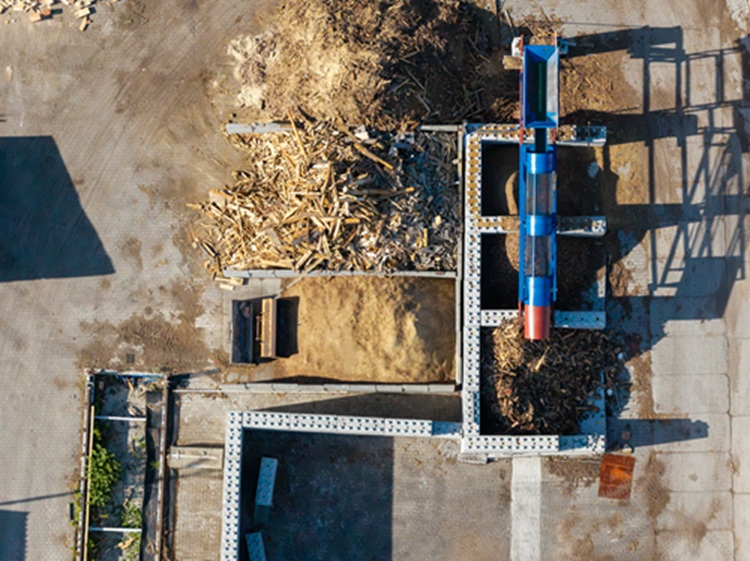
Many feedstocks used to make aviation fuels are deemed eligible for CORSIA certification. These are grouped into waste, residues, and by-products.
It is at ICAO’s discretion to determine which materials fall into each category, and the organization publishes a “positive list” that is publicly available and regularly updated. This list includes:
Agricultural residues (e.g. corn cobs, husks, manure)
Forestry residues (e.g. bark, leaves, needles)
Processing residues (e.g. crude glycerine, crude tall oil (CTO))
Waste (e.g. municipal solid waste (MSW), used cooking oil (UCO))
By-Products (e.g. tallow, technical corn oil, etc.)
Though already wide-ranging, the list is not exhaustive and may include other materials deemed appropriate by ICAO for use as sustainable aviation fuel now or in the future.
ISCC CORSIA vs ISCC EU
ISCC manages several certification standards across various sectors and international markets. Among them, ISCC CORSIA and ISCC EU are the most compared. The key differences between these two certification systems are:
-
Regulatory Scope
ISCC EU is designed to support companies in complying with the European Renewable Energy Directive (RED II), while ISCC CORSIA is a CORSIA-approved sustainability certification scheme that is specific to the aviation industry and the ICAO regulations it adheres to.
-
Eligible Materials
Where ISCC EU certifies a much broader range of feedstocks, ISCC CORSIA is aviation-specific and only raw materials, waste, residues, and by-products that can be made into SAF are considered eligible for ISCC CORSIA certification.
Though ISCC CORSIA and ISCC EU are distinct certifications, many businesses (such as refineries and traders) seek certification under both systems to ensure compliance with ICAO regulations within the aviation industry supply chain while maintaining access to the EU market.
ISCC CORSIA: Frequently Asked Questions
Contact us now
Request an offer or contact us for more info